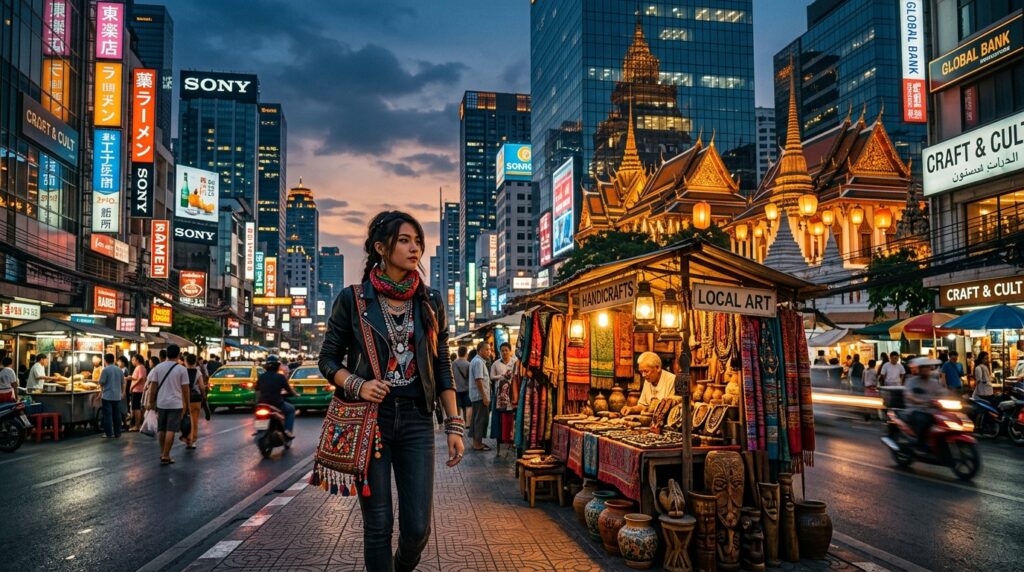
Globalization, a force that has profoundly reshaped our interconnected world, has left an indelible mark on cultural identity and traditions worldwide. Far from being a simple narrative of cultural loss or gain, its impact is a complex dynamic of both unprecedented cultural exchange and challenging cultural erosion. This intricate interplay is particularly evident in our rapidly evolving urban landscapes and among younger generations, who are at the forefront of navigating these shifts.
The Two Sides of Globalization’s Cultural Coin
The influence of globalization on cultural identity manifests in two primary, often contradictory, ways:
Cultural Hybridization and Enrichment
Globalization acts as a powerful catalyst for cultural interaction, fostering an environment where traditions and ideas can cross borders, borrow from one another, and ultimately give birth to new, hybrid forms of identity. This process of “heterogenization” enriches the global cultural tapestry, leading to innovative expressions that blend local distinctiveness with global influences.
- Literary Fusion: Consider Indian English literature, which has masterfully woven ancient texts and rich folklore into modern narratives. This not only preserves cultural distinctiveness but also influences Western literary traditions. Similarly, Bengali short stories have adopted narrative techniques from 21st-century English literature, creating a vibrant fusion that resonates with both regional and global audiences.
- Global Popular Culture: The global popularity of musical genres like reggaeton and K-pop exemplifies this trend. They seamlessly blend local musical traditions with global pop influences, creating universally appealing sounds that still retain their unique local flavors. This phenomenon illustrates how cultures adapt and synthesize elements from diverse sources without losing their foundational characteristics.
Cultural Erosion and Standardization
Conversely, globalization often brings about a gradual erosion of traditional practices, particularly in urban environments. Rapid technological advancements, unchecked urbanization, and evolving lifestyles can lead to the adoption of more standardized, globalized ways of life. This can result in a significant challenge to the preservation of local identities, sometimes leading to the loss of invaluable local wisdom and practices.
- Dominance of Global Culture: The spread of multinational corporations, global media conglomerates, and consumer culture frequently leads to a form of “cultural homogenization.” Western cultural practices and products—from Hollywood movies to global fast-food chains—can overshadow local traditions, prompting concerns about a diminishing cultural diversity.
- Language Extinction: A stark example of cultural erosion is the decline and extinction of local languages. With English dominating business and technology, many native languages are becoming deprioritized. UNESCO and National Geographic highlight this crisis, with hundreds of languages lost in recent decades, underscoring the irreversible loss of unique cultural perspectives embedded within them.
- Traditional Craft Loss: In regions like Southeast Asia, traditional weaving practices, once integral to cultural identity, face immense pressure. The influx of mass-produced textiles often undermines local economies and traditional craftsmanship, leading to a generational gap in knowledge and the potential disappearance of these culturally significant arts.
Diverse Impacts on Specific Communities
Globalization’s effects are not uniform; different communities experience its influence in distinct ways, often navigating unique challenges and opportunities.
- Indigenous and Traditional Communities: For groups like the Santhali community in India, global socio-economic forces, formal education, and digital media are transforming family structures, marriage customs, and gender roles. Migration and urbanization can particularly strain religious practices and communal institutions, creating a delicate balance between cultural preservation and commercialization.
- Religious-Cultural Identities: In Southeast Asia, the Malay Islamic identity, a unique synthesis of Islamic religious values and Malay cultural traditions, faces questions about its sustainability amidst rapid globalization. Islamic educational institutions play a crucial role here, integrating local wisdom into curricula and adapting traditional practices to maintain this distinct cultural identity.
- Diaspora Communities: Children of diaspora communities often face unique challenges in cultural understanding. For Indonesian children living abroad, limited exposure to cultural education can lead to a disconnect from their heritage. However, targeted programs, such as those teaching traditional dances like Dongklak, have shown positive impacts, enhancing students’ pride and understanding of their national traditions. An ethnographic study on first and second-generation immigrants revealed that while many embraced new cultures, they also maintained a strong desire to preserve their native cultural heritage, though challenges like a “lack of belonging” and “intragroup marginalization” can arise.
The Pivotal Role of Youth and Education
Young people occupy a critical position in negotiating cultural identity within a globalized world, serving as both recipients of its challenges and agents of its revitalization.
- Challenges: Youth are particularly susceptible to adopting global lifestyles, which can challenge the integrity of cultural heritage. In nations like Kazakhstan, the shift in social consciousness since independence necessitates systematic efforts to revive forgotten national traditions among younger generations.
- Opportunities: Despite these challenges, youth also play a decisive role in preserving and revitalizing cultural traditions. Their active participation in defending cultural distinctiveness is essential for maintaining national identity amidst global influences. Educational institutions, by offering multicultural learning environments and study abroad opportunities, prepare young people for multinational roles while fostering open-mindedness and an appreciation for diverse cultures.
Digital Age Dynamics: A Double-Edged Sword
The digital transformation driven by globalization presents both unparalleled opportunities and significant risks for cultural identity.
- Documentation and Awareness: Digital technologies offer innovative avenues for documenting, promoting, and safeguarding cultural assets. They enable global awareness of local heritage, allowing communities to share their traditions with a worldwide audience and even helping to revitalize cultural practices. The rise of “digital diasporas” allows communities to maintain cultural ties and share heritage globally, as seen with the Ainu culture in Japan utilizing digital platforms for revitalization.
- New Risks: However, the digital realm also poses serious challenges. Unequal access to technology can exacerbate existing disparities, while commercialization and cultural misrepresentation can dilute the authenticity of traditions. Digital culture and pop media, while enriching dialogue, create pressure to balance genuine cultural expression with global influences.
Strategies for Cultural Preservation and Resilience
Navigating the complex relationship between globalization and cultural identity requires balanced and proactive approaches.
- Community Engagement: Local communities are the custodians of invaluable knowledge and practices. Their active participation is foundational to successful heritage conservation, ensuring that preservation efforts are authentic and sustainable. Community-led initiatives, such as cultural festivals and community-operated tourism, can effectively balance global influences with local traditions.
- Collaborative Strategies: Sustainable cultural preservation demands active cooperation among governments, educational institutions, cultural organizations, technology providers, and local communities. Policy interventions, including establishing cultural heritage sites (like those championed by UNESCO), providing financial incentives for local artisans, and integrating cultural studies into national curricula, are crucial. UNESCO’s Cultural and Creative Ecosystem (CCE) model emphasizes the dynamic generation and maintenance of cultural values through engagement.
- Cultural Resilience: Fostering cultural resilience and sustainable adaptation allows communities to negotiate the pressures of globalization while striving to preserve their unique identities. This involves selective adaptation, integrating aspects of global culture without sacrificing core values, leading to a dynamic evolution rather than a complete overhaul.